Raid: Shadow Legends
Raid Shadow Legends has been the go-to dark-fantasy RPG for mobile and PC gamers since 2019, and IMO, it still holds up years later. If you’ve ever wondered whether it’s worth your time, your data, or your wallet, you’re not alone. Thousands of people search for this question every single month. This guide covers everything:
What the game actually is, how the champion and gear systems work, which game modes matter, whether it’s pay-to-win, current codes, faction and artifact basics, and the smartest way to build your first team. We’ll also look at real numbers behind the game’s popularity, not just marketing fluff. By the end, you’ll know exactly whether to download it, how to avoid rookie mistakes, and how to make real progress without burning out. Let’s get into it.
What Is Raid Shadow Legends, Really?
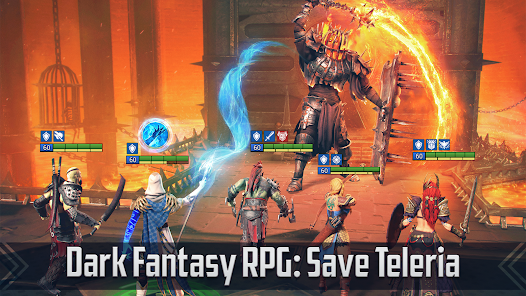
Raid Shadow Legends is a turn-based RPG built by Plarium, set in the dark fantasy world of Teleria. You collect over 800 Champions across 15 factions and build teams to fight through campaigns, dungeons, and PvP arenas.
Here’s the simple version: think Pokémon meets Final Fantasy tactics, minus the wild card collecting randomness, well, mostly. You summon champions using Shards, level them up, gear them out, and send them into battle against bosses and other players. Every fight plays out turn by turn, based on each champion’s Speed stat, so positioning and stat priorities matter far more than raw button-mashing skill.
Why has it stuck around this long?
The game earns roughly $100 million a year even now, according to recent industry estimates, and it has passed $1 billion in lifetime global player spending across the App Store and Google Play. That’s a serious signal of staying power in a genre where most games fade in a year or two. It also still counts around 1.2 million monthly active players and roughly 300,000 daily active users, which for a midcore strategy RPG is honestly impressive this far past launch.
Who Should Actually Play It?
Raid Shadow isn’t for everyone. It rewards patience and long-term thinking, not quick fifteen-minute sessions.
- You’ll love it if you enjoy strategy, collecting, gear optimization, and slow-burn progression.
- You’ll probably bounce off it if you want instant gratification or hate menus, stats, and substats.
- Best for: commute gamers, PC idle-clicker fans, spreadsheet lovers, and anyone who likes classic JRPGs.
The World of Teleria: A Quick Lore Primer
The story centers on Siroth, the Dark Lord, and his corrupting influence over the realm of Teleria. You play as the Arbiter, a mysterious hero tasked with recruiting champions from across 15 warring factions to push back the darkness. It’s not Shakespeare, but the animated cutscenes, voiced campaign, and companion YouTube series RAID: Call of the Arbiter give the world more texture than most mobile RPGs bother with.
Getting Started: Your First Few Hours
The tutorial throws a lot at you fast, so don’t panic. Focus on finishing the campaign stages first they teach you mechanics while handing out free champions and gear.
Picking Your Starter Champion
New player codes usually let you pick a bonus champion. Sun Wukong is a common recommendation because he performs well in Arena and PvE content, and honestly, he’s a safe pick if you’re not sure where to start. Other solid options from starter code pools include Kymar, Athel, and various Legendary champions offered through limited-time promotions.
A few beginner-friendly tips:
- Don’t spend Gems on random single Shards early on — save for Ancient Shards or scheduled events.
- Focus XP Brews on 2-3 champions, not your whole roster, so you actually reach playable levels faster.
- Clear campaign stages on Brutal difficulty once you can, since drop rates and gear quality scale up noticeably.
- Join an active clan immediately — Clan Boss rewards and Clan Chat tips are too valuable to skip.
Understanding the Champion Rarity System
Champions come in five rarities: Common, Uncommon, Rare, Epic, and Legendary. Higher rarity generally means better base stats, more skills, and stronger passive abilities, but a well-built Rare champion can still outperform a poorly geared Legendary in the early game. Rank (how many stars a champion has, from 1 to 6) matters more than rarity in the early-to-mid game. Remember that before you chase every shiny Legendary you see in the summon pool.
Understanding Factions
All 800-plus champions belong to one of 15 factions, such as Sacred Order, Banner Lords, Dark Elves, Undead Hordes, and so on. Factions matter mainly for Faction Wars and certain Artifact set bonuses, but they also shape a champion’s visual theme and lore. New players don’t need to worry about factions much beyond knowing that Faction Wars eventually rewards you for building teams across many different factions rather than stacking one favorite.
Core Game Modes You Need to Know
Raid throws a LOT of modes at you. Here’s what actually matters, broken down mode by mode.
Clan Boss and Doom Tower
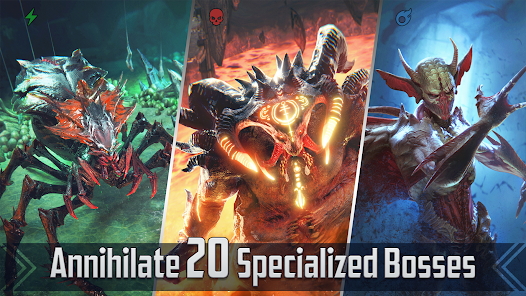
Clan Boss is a shared, scalable raid boss that gets harder as your clan levels it up together, and it’s one of the best sources of Legendary gear in the entire game. Doom Tower is a rotating gauntlet of unique bosses and floors that demands serious champion investment and careful team-building. Both are considered “endgame,” so don’t stress if they feel impossible on day one — most players don’t seriously engage with hard-mode Doom Tower for months.
Campaign
This is your bread and butter early on. Twelve chapters, each with Normal, Hard, and Brutal difficulty. Farm here for XP Brews, gear, and Ancient Shards. Completing each chapter on Brutal also unlocks that stage for auto-battle farming later, which saves enormous amounts of time once your roster is strong enough.
Is Raid Shadow Legends Pay-to-Win?
Honestly? It’s pay-to-progress-faster, not strictly pay-to-win. Free players absolutely reach competitive Clan Boss and Arena tiers; it just takes longer, and it takes more discipline about where you spend Gems and Energy.
Here’s the real trade-off:
| Approach | Speed | Cost | Skill Ceiling |
|---|---|---|---|
| Free-to-play | Slow | $0 | High (patience required) |
| Light spender | Medium | $10-30/month | High |
| Whale | Fast | $100+/month | Same ceiling, faster there |
The game does sell subscription-style Raid Cards in Silver, Gold, Platinum, and Diamond tiers, which give daily login bonuses and extra Energy refills. The Diamond Raid Card, for example, runs about $29.99 a month after an introductory discount. These are optional, not mandatory, but they do speed things up noticeably if you’re impatient about grinding Energy.
Current Codes and Free Rewards (2026)
Promo codes are one of the easiest ways to get free Energy, Silver, XP Brews, and even Legendary champions without spending a cent. New codes drop roughly once a month, plus extra ones during anniversaries, YouTube creator collaborations, and big content events. Each account can typically redeem one code every 24 hours, so pace yourself if you’re sitting on more than one active code.
To redeem a code:
- Open Raid on mobile, or visit the official Plarium redemption portal for PC and iOS.
- Tap the menu icon and select Raid Shadow Legends Promo Codes.
- Enter your code exactly as written and confirm.
- Check your in-game Inbox for rewards.
New player codes only work within 72 hours of account creation, so grab them fast if you’re just starting. If a code fails, double-check for typos, expiration, or whether you’ve already redeemed something in the last 24 hours.
Recent Updates Worth Knowing About
Plarium ships updates constantly, and the last few patches focused on quality-of-life improvements rather than flashy new content drops. Some highlights from recent updates:
- Soul Merchant refreshes now happen 4 times a day instead of 2, with 6 slots for Legendary Champion Souls instead of 4.
- Super Raids were added to the Iron Twins’ Fortress, doubling rewards from a single dungeon run.
- Background: Multi-Battle expanded to cover more game modes, including the Cursed City and Grim Forest, so you can grind passively while doing other content.
- Scroll distribution in the Minotaur’s Labyrinth got fixed so rewards don’t get wasted piling onto a single champion who doesn’t need them anymore.
- Clans in Tiers 7 and 8 now need over 5,000 points to stay eligible for high-tier Siege matchmaking, tightening up competitive integrity.
- Relic and gear UI improvements now show champion avatars directly on equipped Relics, making it far easier to manage your roster.
None of this is life-changing on its own, but together it shows Plarium is still actively maintaining the game rather than letting it coast — which matters if you’re deciding whether to invest your time long-term.
Building Your First Real Team
A balanced team beats the best champion team almost every time. Here’s the formula that works.
The Standard Team Composition
- 1 Tank – soaks damage and controls positioning at the front line.
- 1-2 Damage dealers (DPS) – actually kill enemies before they overwhelm you.
- 1 Support – buffs your team, heals, or debuffs enemies to weaken their output.
- 1 Control champion – stuns, freezes, or blocks enemy turns to prevent chaos.
Don’t overthink synergy at first. A tank, a healer, and two damage dealers will carry you through most early-to-mid content just fine. Save the fancy niche synergy comps for once you’ve got a deeper roster.
Gear and Artifact Priority
Speed is king in Raid. A champion who acts first often wins the fight before the enemy gets a turn at all. Prioritize gear with Speed substats on your key champions, especially your control units and healers, since going first with a stun or heal changes entire fights. Artifact sets also matter a lot at higher levels; sets like Speed, Lifesteal, Immortal, and Cruel each serve different team roles. New players shouldn’t obsess over perfect gear early; focus on getting any usable Speed and Accuracy/Resistance pieces onto your core four champions first.
Community and Support Resources
Raid has a genuinely active community on Reddit, Discord servers, and creator channels like HellHades and AyumiLove, which publish tier lists, patch breakdowns, and champion guides. If you’re stuck on a specific boss or team comp, these communities are usually faster than official support for practical, tested advice. For account issues, billing, or bugs, Plarium’s official support email and in-game ticket system handle things directly. Official channels are always safer than third-party boosting or account services you might see advertised, since those can risk a ban.
Final Verdict: Should You Play It?
Raid Shadow Legends rewards patience, punishes impatience, and genuinely respects free players more than its reputation suggests. It’s not a quick dopamine hit — it’s a slow-burn strategy game that happens to look gorgeous and run smoothly years after launch. If turn-based RPGs and long-term collection systems appeal to you, this one’s earned its spot as a genre staple. Give it a fair shot before writing it off.
FAQs
Yes, it’s free to download and play. You can progress fully without spending, though paid options speed things up.
Sun Wukong remains a strong, reliable pick for Arena and PvE thanks to his versatile kit.
Yes, through Plarium Play, the official desktop client, with full cross-progression support.
Yes, through Plarium Play, the official desktop client, with full cross-progression support.
Not really. It’s pay-to-progress-faster; free players reach competitive tiers, just more slowly.
It’s a shared clan raid boss that scales in difficulty as your clan contributes more damage weekly.
Open the in-game menu, select Promo Codes, enter the code, and check your Inbox for rewards.
Yes, it maintains millions of monthly active players and consistent revenue years after its 2019 launch.